Minimalist Design with a Strong and Lightweight Frame
The design philosophy of the Yamaha electric cycle is expected to remain clean, functional, and purpose-driven. Instead of flashy elements, Yamaha is likely to focus on a durable frame with smooth lines and a balanced structure that suits riders of different age groups.
A lightweight yet sturdy frame can make a noticeable difference in daily usage, especially in crowded city environments. Easy handling, comfortable mounting, and stable riding geometry are expected to be key highlights. This approach makes the electric cycle suitable for students, office commuters, and even older riders looking for a stress-free travel option.

Up to 150KM Riding Range for Daily and Extended Commutes
One of the most talked-about aspects of the Yamaha electric cycle is its claimed 150KM riding range on a single charge. If achieved under real-world conditions, this range would place the cycle among the most efficient electric bicycles in its category.
Such an extended range significantly reduces range anxiety, allowing users to complete multiple daily trips without frequent charging. For city commuters, this could mean charging the cycle only once every few days, depending on usage patterns and riding modes.
Advanced Lithium-Ion Battery with Convenient Charging
At the core of the Yamaha electric cycle is expected to be a lithium-ion battery, known for its efficiency, durability, and faster charging capabilities. Compared to traditional battery technologies, lithium-ion batteries offer better energy retention and longer life cycles.
The battery is likely to support easy home charging, making it practical for apartment dwellers and small households. A removable battery design may also be introduced, allowing users to charge it indoors without moving the entire cycle.
Smooth Electric Motor Tuned for City Riding
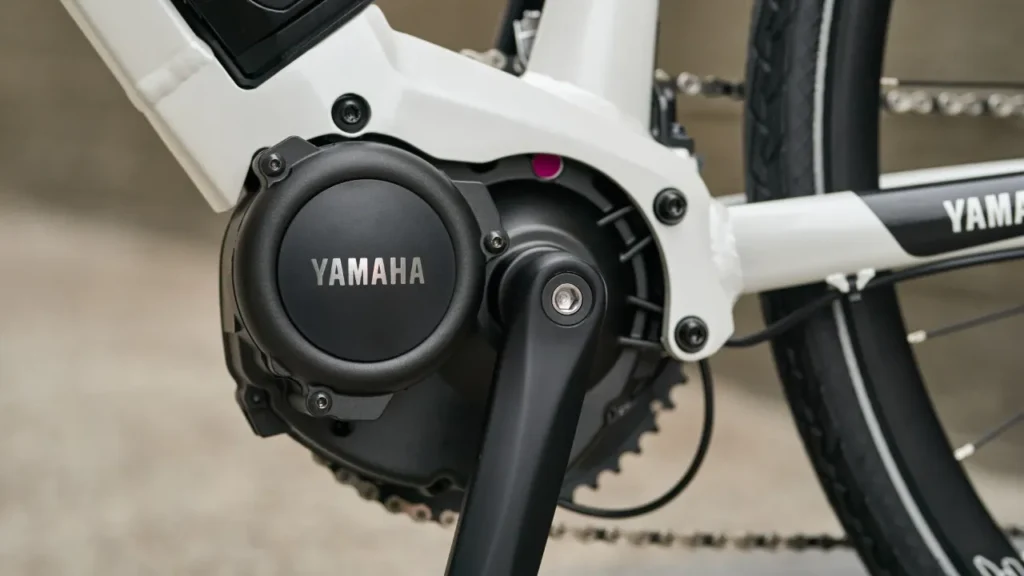
Yamaha’s experience in motor technology gives it a strong advantage in the electric mobility space. The electric cycle is expected to feature a quiet and efficient motor optimized for urban conditions rather than high-speed performance.
Pedal-assist modes will likely help riders cover longer distances with less physical effort, making uphill rides and stop-and-go traffic far more manageable. This balance between manual pedaling and electric assistance ensures a natural and comfortable riding experience.
Smart Features for a Connected Riding Experience
Modern riders expect more than just basic functionality, and Yamaha is expected to deliver with smart digital features. A clear digital display may provide essential information such as speed, battery percentage, riding mode, and estimated remaining range.
In 2026, connectivity features like mobile app support, ride tracking, and maintenance alerts could also be part of the package. These additions improve usability while helping riders monitor performance and battery health over time.
Safety, Braking, and Riding Stability
Safety is a crucial factor for any daily-use vehicle, and Yamaha is known for prioritizing rider protection. The electric cycle is expected to come equipped with disc brakes on both wheels, providing reliable stopping power in urban traffic conditions.
Wide tires, improved grip, and a stable suspension setup can further enhance control and confidence, especially on uneven roads or during sudden braking situations. Integrated reflectors and LED lighting may also improve visibility during night rides.
Comfort-Oriented Ergonomics for Everyday Use
Comfort plays a major role in long-term satisfaction, and Yamaha is expected to design the electric cycle with ergonomic seating and a relaxed riding posture. A cushioned saddle and well-positioned handlebars can reduce strain during longer commutes.
This comfort-focused approach makes the cycle suitable not only for short trips but also for extended daily usage, whether commuting to work, running errands, or casual evening rides.
Expected Pricing and Overall Value Proposition
Affordability will be a key factor in the success of the Yamaha electric cycle. Industry expectations suggest Yamaha will price the cycle competitively to attract first-time electric vehicle buyers and budget-conscious urban users.
Low maintenance requirements, minimal charging costs, and Yamaha’s strong service network could make this electric cycle a value-for-money mobility solution in the long run.
Yamaha’s Potential Impact on India’s Electric Mobility Market
India’s electric mobility ecosystem is expanding rapidly, and electric cycles are gaining popularity as a practical alternative to petrol-powered vehicles. Yamaha’s entry into this segment could raise overall quality standards and increase consumer trust.
With its established brand image, reliable after-sales support, and focus on usability, Yamaha has the potential to make electric cycles more mainstream in urban India.


Hi, I’m Anas, the creator and author at Cuims.net. I have a strong interest in smartphones and automobiles, and I started this website to share useful, well-researched, and honest information with readers who want clarity before making tech or auto-related decisions.